
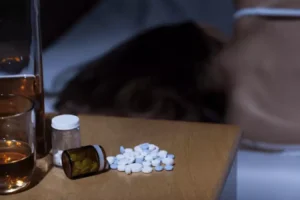
This is important since alcohol drinks often leave you dehydrated. Alcohol-induced dehydration can cause unpleasant side effects such as drowsiness and headache. Alcohol misuse is a leading preventable cause of death in the United States. how to flush alcohol out of your system in 12 hours AUD is undertreated and marked by guilt, shame, and stigma, too often ending in despair and suicide. According to the Journal of the American Medical Association, 37% of alcohol abusers have at least one serious mental illness.
What’s Considered a Drink?
However, long-term or excessive use can slow down that process and could damage your heart, liver, kidneys, and gut health. While these techniques create the illusion of sobriety, they have no effect on BAC. Although eating before a night of drinking will slow down alcohol absorption, it will not keep you sober as you continue to drink. Eating after a few drinks will not reduce your level of intoxication because food does not have an effect on alcohol that has already been absorbed into the bloodstream. Urine tests can detect alcohol for between 12 hours and 24 hours. This length of time usually depends on how recently and how much you drank.
How Long Does Alcohol Stay in Your System?
Or maybe it’s a pregnancy that made you realize it’s time to stop drinking. Or maybe you’re just looking to improve your health, wake up hangover-free and give your liver (and your heart and brain) a break. Eating nutritious food, exercising, and getting enough sleep can help reduce some withdrawal symptoms, such as mood swings. If don’t have much of an appetite, you may want to take a multivitamin or drink a beverage high in electrolytes, such as a sports drink. If you take prescription medication, continue to take it as directed. Roughly 20% of the ethanol in liquor is absorbed into the blood from the stomach and the rest from the small intestine.
Concerned About Your Drinking? Take the Alcohol Addiction Test

If you or a loved one is grappling with alcohol dependence and facing challenges in quitting drinking, reaching out for support is essential. At Ria Health, we offer an online treatment program designed to assist individuals in reducing their alcohol consumption or achieving complete abstinence. Our program is accessible nationwide, allowing you to receive assistance from the comfort and security of your home. Navigating the aftereffects of alcohol consumption is a common challenge, sparking widespread curiosity about how to efficiently clear it from the system. Whether you’re looking to sober up after a social event or simply aiming to detoxify, the question of how to get alcohol out of your system is crucial. In addition to flushing out alcohol, water increases your hydration levels.
Drink Lots of Water to Flush Out Alcohol
A person who has a long history of heavy drinking could have a seizure six hours after stopping drinking. Many people stop experiencing alcohol withdrawal symptoms four to five days after their last drink. Your blood alcohol content (BAC) level is reduced by 0.015 per hour. That’s why many of us wonder if a month of avoiding drinking is enough to “reset” your liver back to normal. But a full detox is needed for the most benefit, and how much time that takes depends on a variety of personal factors.
Factors that affect alcohol metabolism
To assess a person’s withdrawal symptoms and recommend treatments, doctors often use a scale called the Clinical Institute for Withdrawal Assessment for Alcohol. The higher the number, the worse a person’s symptoms are and the more treatments they likely need. Once alcohol is in the bloodstream, it can only be eliminated by dehydrogenase, sweat, urine, and breath. Depending on the extent of liver damage you have, you may need to completely abstain from alcohol in order to give your liver the best chance for recovery. Talk to a doctor about your personal history and what’s right for you.
[Podcast] Episode 8: Harm Reduction in Alcohol Health with Expert Dr. Andrew Tatarsky
The most commonly used and recognized MAT for alcohol use disorders is naltrexone, taken orally or as an injection. Naltrexone helps decrease total drinks consumed per day, cravings, and pleasurable effects of alcohol. Injectable Naltrexone (Vivitrol) injections are given once a month, providing a way to get beneficial effects for 30 days at a time. Patients can and do drink while taking naltrexone, but it is less pleasurable, and they also take Naltrexone to prevent or decrease anticipated likely drinking events.
Understanding How You Metabolize Alcohol
The Ethyl Glucuronide (EtG) urine test can detect the presence of any alcohol consumption in the urine. Ethyl Glucuronide is present in the body after consuming alcoholic beverages. Green vegetables contain vital minerals, amino acids, and other essential nutrients to help the body recover after excessive alcohol consumption.
- Even dogs do it — you say “walk” and they high-tail it to get their leash.
- I had foot surgery and telemedicine is way better than finding a ride and not feel like an inconvenience to other people.
- This contributes to women reaching higher blood alcohol levels than men despite drinking the same amount of alcohol.
- Eat nutrient-rich foods and reduce added sugars and alcohol to support overall health.
- You will breathe easier and sweat profusely, releasing toxins naturally.
- If you feel like you absolutely have to drink alcohol socially, try a mixed drink with tequila, or a vodka you know was made from potatoes.
How to Flush Out Alcohol After a Couple of Drinks
- Remember that while these foods and drinks can support your recovery, the most effective way to eliminate alcohol from your system is time.
- These chemicals break down the alcohol and allow it to be eliminated from the body’s systems.
- Consuming alcohol faster than the liver can metabolize it leads to increased blood alcohol concentration (BAC), which can result in intoxication and impairment.
- A hangover is a term that designates a set of undesirable effects that occur when you drink too much.
Breath tests for alcohol can detect alcohol within a shorter time frame, at about 4-6 hours. Any number above 0.02% is unsafe since you experience some loss of judgment and a decline in visual functioning. Once the alcohol has entered your bloodstream, your body will metabolize a certain amount of alcohol every hour, depending on the individual and other factors like liver size and weight. Zinc deficiency can hinder the effectiveness of hepatic enzymes that break down alcohol, which intensifies and prolongs the effects of alcohol intoxication.
If you have concerns about alcohol consumption or its effects on your health, it’s advisable to seek professional guidance. Schedule an appointment or call us and a Ria Health team member can help. Understanding alcohol metabolism is crucial for recognizing how long alcohol’s effects may last and the importance of pacing consumption to prevent intoxication and potential harm. We will delve into the body’s process of metabolizing alcohol, exploring effective strategies to support this natural detoxification. With a focus on practical advice, we aim to equip you with the knowledge to responsibly manage alcohol’s impact on your body.


Leave a Reply
Want to join the discussion?Feel free to contribute!